
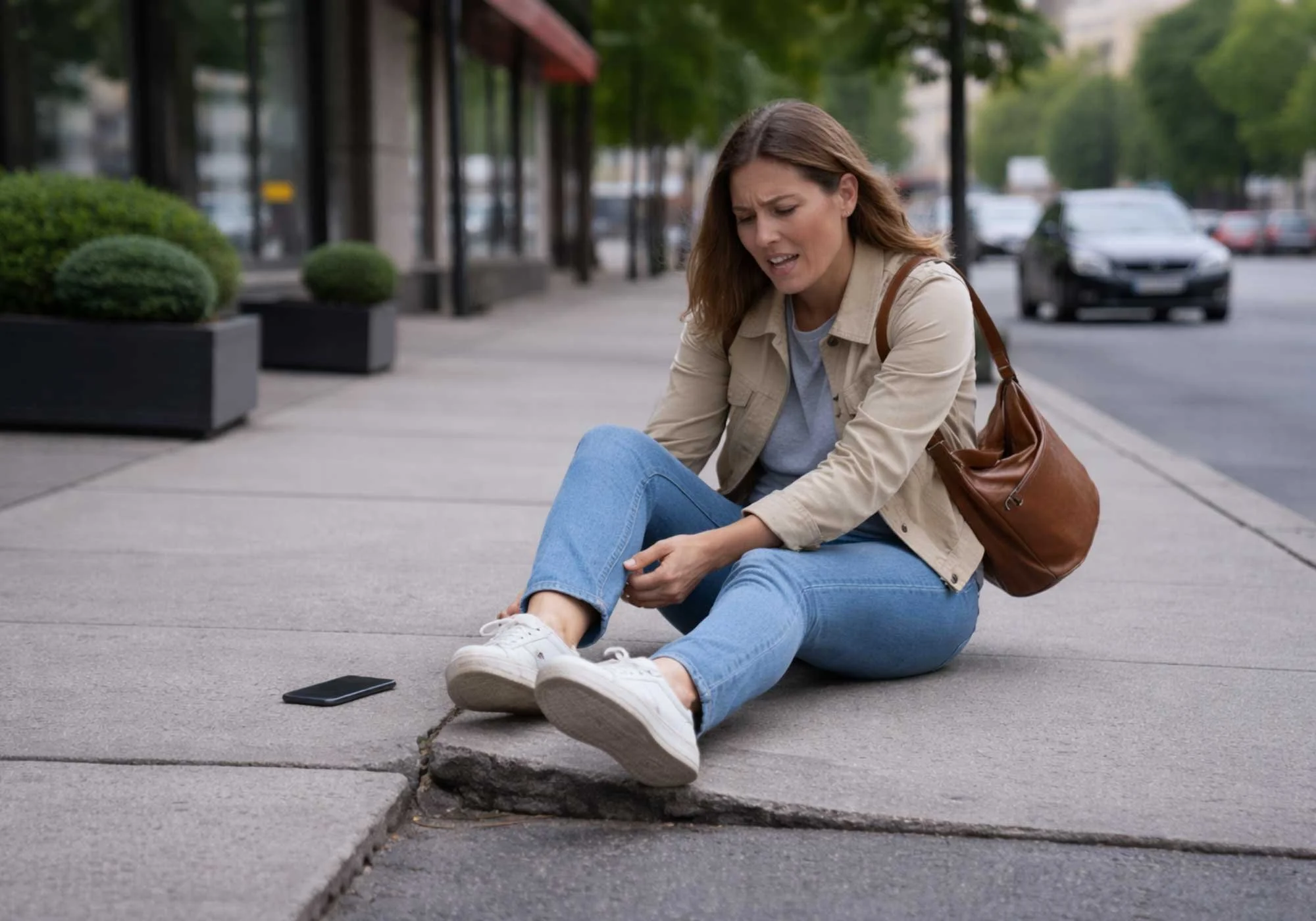
Redding Legal ResourcesAccident & Personal Injury Resources
Helpful information about car accidents, injuries, insurance claims, and personal injury law in Redding and throughout California. We’ve also included common California Vehicle Code Violations.
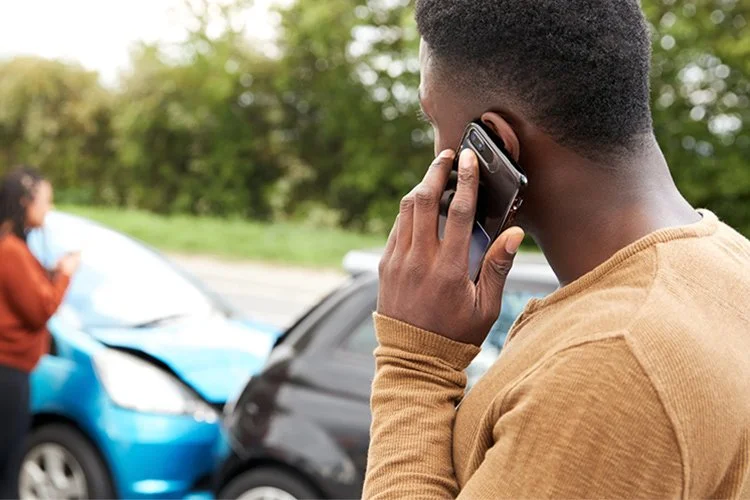
Understand CA Prop 213’s Impact on Car Accident Claims
California Prop 213 limits compensation for uninsured drivers in accidents. Learn how it affects your claim and what exceptions might still allow full recovery.
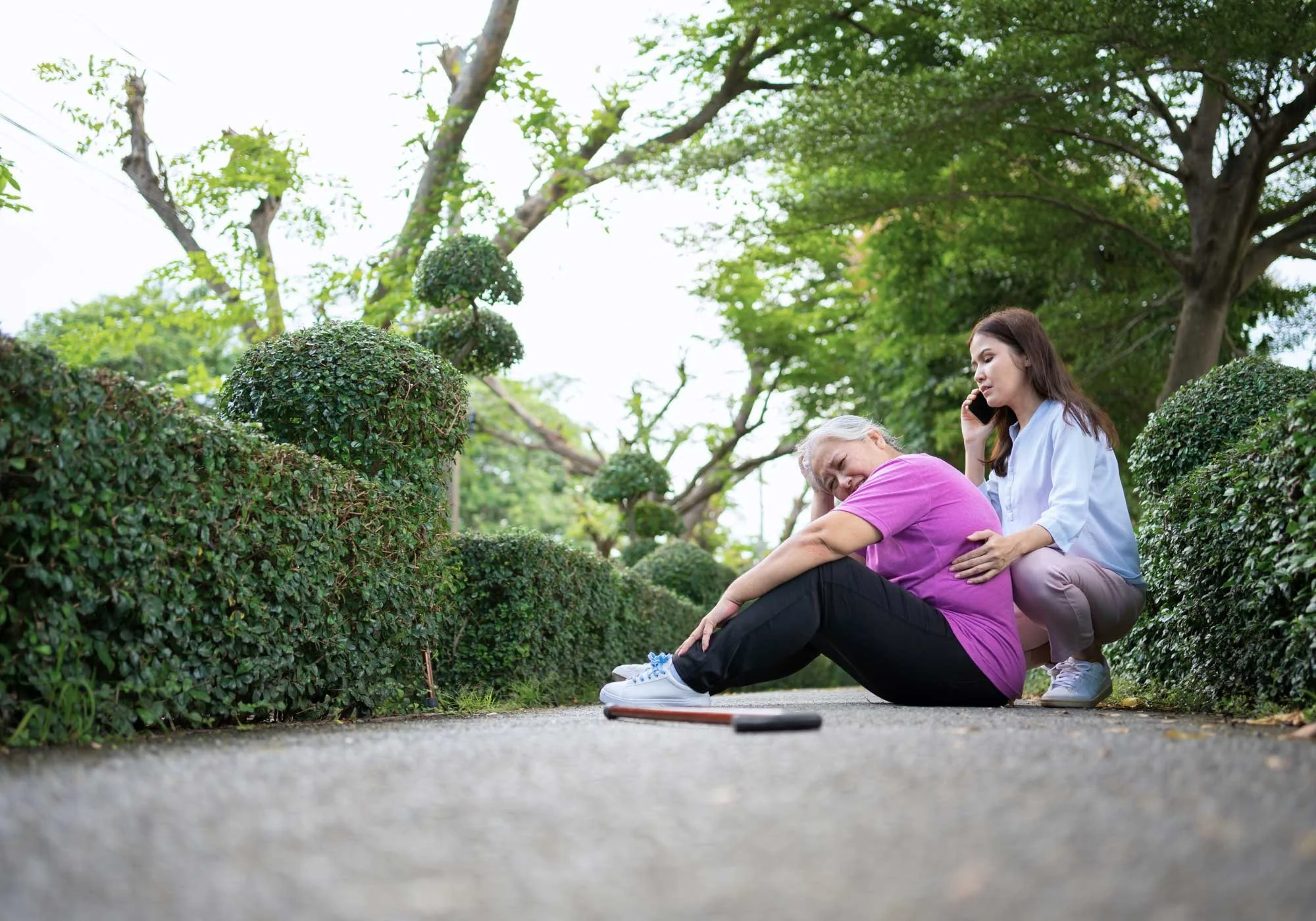
Who Pays When a Pedestrian is Struck by a Hit & Run Driver?
Who pays for your medical bills, injuries, pain and suffering, and lost wages when you are run over and injured as a pedestrian?

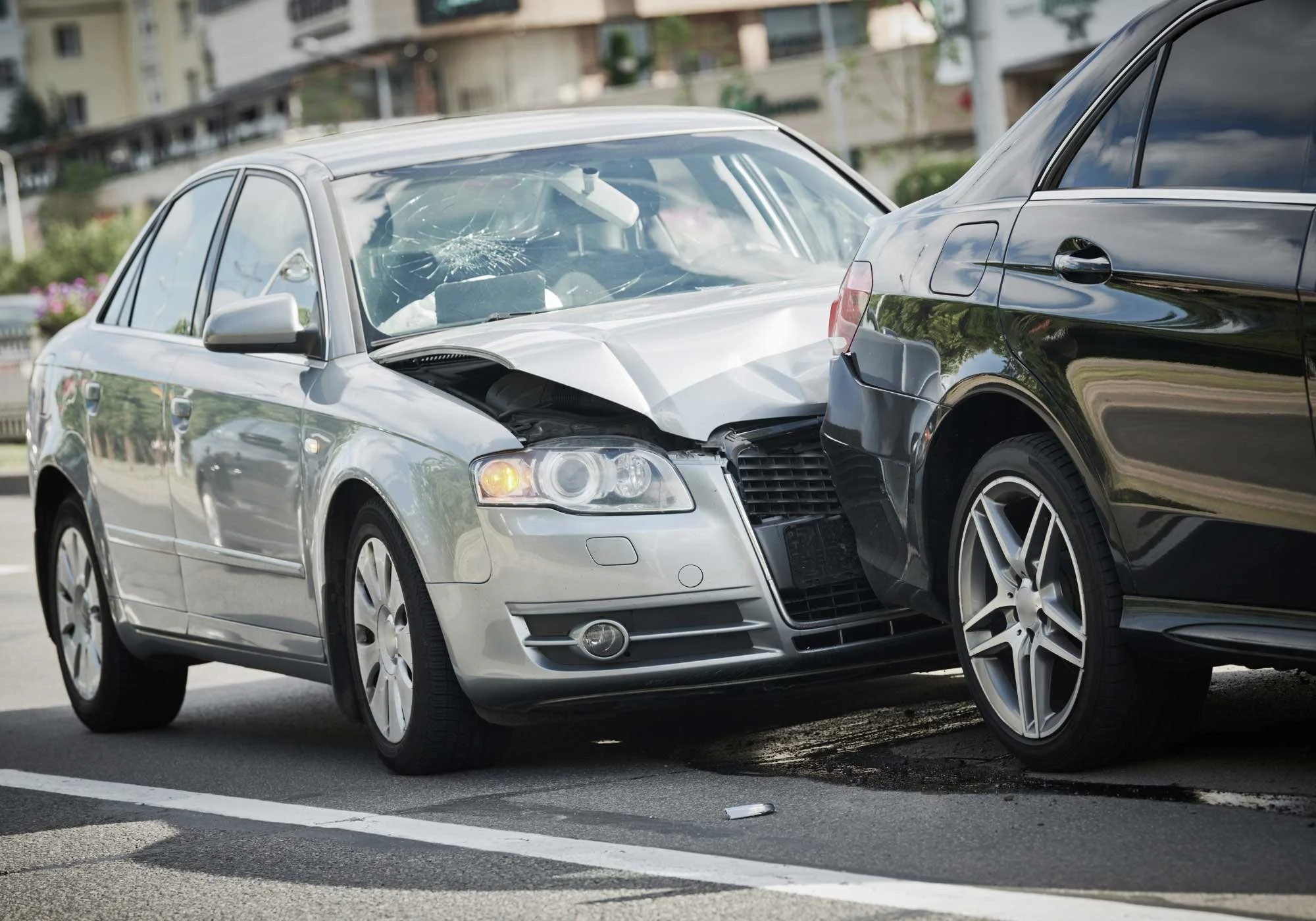
What Do You Do After a Car Accident?
Car accidents happen and unfortunately nearly every one of them was preventable. We can only hope that it will be a minor one and no one was injured.
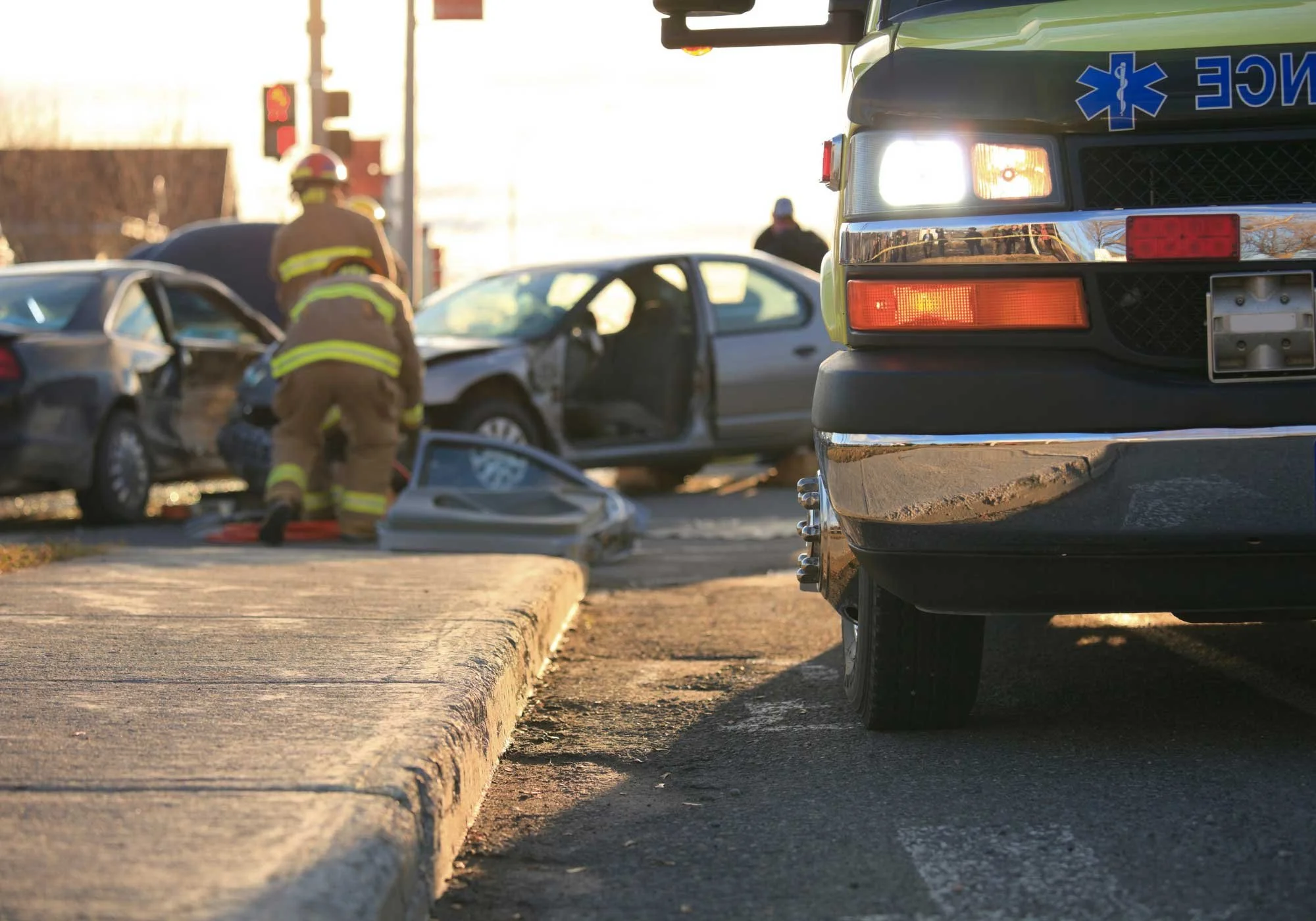


California LAwCommon Vehicle Code Violations
Many accidents result from violations of the California Vehicle Code. Breaking these laws and causing a crash can help prove negligence in a personal injury claim. Below are common Vehicle Code sections involved in such cases.
Code Section |
Statute & Application |
|---|---|
| VC § 22350 | Basic Speed Law: No driver shall operate a vehicle faster than is reasonable given weather, visibility, and road conditions. Applies even when driving at or below the posted speed limit. |
| VC § 21703 | Following Too Closely: Drivers must maintain a safe following distance and may not follow another vehicle more closely than is reasonable given speed, traffic, and road conditions. |
| VC § 22107 | Unsafe Turn or Lane Movement: No driver shall turn a vehicle or change lanes until the movement can be made safely and an appropriate signal has been given. |
| VC § 21658(a) | Failure to Maintain Lane / Unsafe Lane Change: Drivers must stay within a single lane and may not move from that lane until they can do so safely. A leading cause of sideswipe and merge collisions. |
| VC § 21453(a)/(c) | Red Light or Red Arrow Violation: Drivers must stop at a solid or flashing red light or red arrow. Running red lights is a leading cause of intersection collisions and pedestrian injuries. |
| VC § 22450(a) | Stop Sign Violation: Drivers must come to a complete stop at every stop sign before proceeding. Failure to stop is frequently cited in intersection and pedestrian accident claims. |
| VC § 21802(a) | Failure to Yield at a Stop Sign Intersection: After stopping, drivers must yield to any vehicle that has entered or is approaching close enough to constitute an immediate hazard before proceeding through the intersection. |
| VC § 21801(a) | Left Turn or U-Turn Failure to Yield: Drivers must yield to all oncoming traffic — including motorcycles — when making a left turn or U-turn. A leading cause of broadside and motorcycle accidents. |
| VC § 21804(a) | Failure to Yield When Entering Roadway: Drivers entering a roadway from a driveway, alley, or private road must yield to all traffic already on the roadway before proceeding. |
| VC § 21950 | Pedestrian Right of Way: Drivers must yield the right of way to pedestrians crossing within any marked or unmarked crosswalk at an intersection. Violations are a primary cause of pedestrian injury claims. |
| VC § 23152 | Driving Under the Influence (DUI): It is unlawful to operate a vehicle while impaired by alcohol or drugs. A DUI conviction can support punitive damages in a civil injury claim in addition to criminal penalties. |
| VC § 23123.5 | Handheld Cell Phone Use While Driving: Prohibits drivers from holding or using a handheld wireless device while driving. Violations serve as powerful evidence of distracted driving negligence in injury claims. |
| VC § 22349 | Exceeding Maximum Speed Limit: Sets the maximum speed limit of 65 mph on most California highways (70 mph where posted). Exceeding posted limits is a primary factor in high-speed collision cases. |
| VC § 23103 | Reckless Driving: Driving with willful or wanton disregard for the safety of persons or property. Reckless driving can support enhanced damages and punitive damage claims in civil litigation. |
| VC § 22108 | Failure to Signal Before Turning: Drivers must signal continuously for at least 100 feet before turning or changing lanes. Failure to signal is frequently cited in rear-end and sideswipe collision claims. |
| VC § 21755 | Unsafe Passing on the Right: Passing on the right is only permitted in specific circumstances. Unsafe passing on the right is a common factor in sideswipe collisions and bicycle accident cases. |
| VC § 21750 | Unsafe Passing on the Left: Drivers must only pass on the left when the way ahead is clearly visible, the lane is free of oncoming traffic, and the pass can be completed safely. |
| VC § 22515 | Unsafe Parking / Parking on Roadway: Prohibits parking or leaving a vehicle in a location that creates a hazard to other drivers. Violations are cited in cases where improperly parked vehicles contribute to collisions. |
| VC § 24002 | Unsafe Vehicle / Equipment Violations: It is unlawful to operate a vehicle that is unsafe or not equipped as required by law. Defective brakes, lights, or tires that contribute to a collision may establish negligence per se. |
| VC § 21200 | Bicycle Rights and Responsibilities: Cyclists have the same rights and responsibilities as drivers on California roads. Violations by either a driver or cyclist can establish fault in a bicycle accident claim. |
| VC § 21800 | Failure to Yield at Intersections: Establishes right-of-way rules for uncontrolled intersections. The driver on the left must yield to the driver on the right. Violations commonly lead to broadside and T-bone accidents. |
| VC § 21760 | Unsafe Passing of Cyclist (3-Foot Rule): Drivers must leave at least three feet of clearance when passing a bicycle. Violations of the three-foot rule are a primary cause of cyclist injury claims in California. |